5 Essential Techniques to Swim Like a Fish
Swimming is not just a recreational activity; it can also be an incredibly effective workout that promotes overall health and well-being. To swim like a fish, you need to focus on essential techniques that will enhance your performance in the water. Here are 5 essential techniques to help you master the art of swimming:
- Breath Control: Learn how to regulate your breathing to maintain a steady rhythm while swimming. Proper breath control ensures that your strokes remain fluid and efficient.
- Body Positioning: Keep your body streamlined by aligning your head, hips, and feet. A streamlined position minimizes drag and allows you to glide through the water.
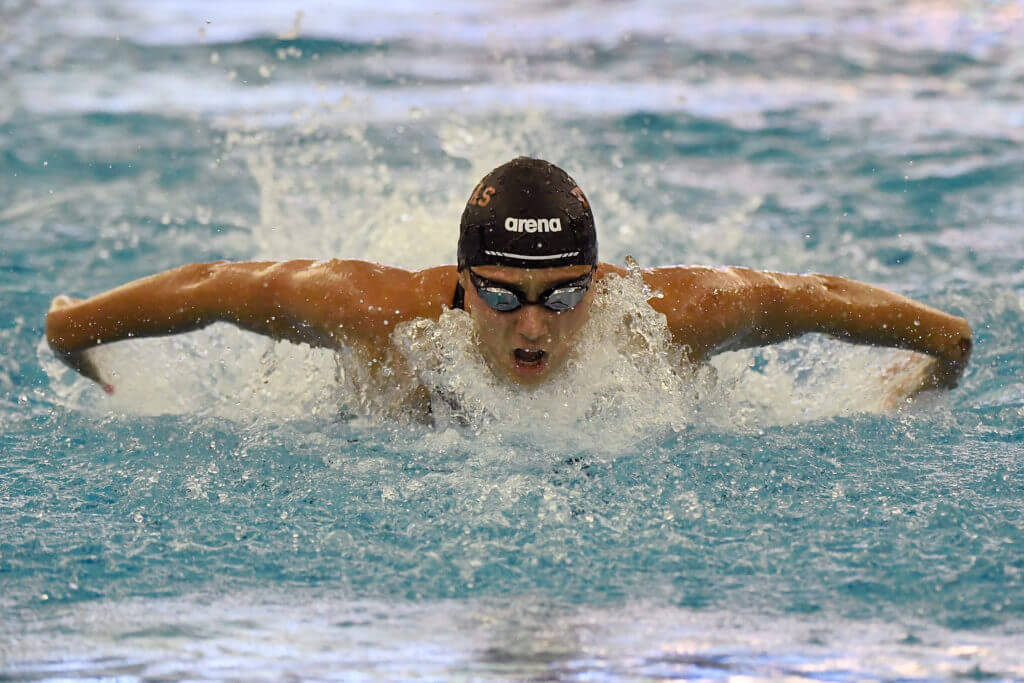
- Stroke Technique: Focus on mastering different strokes, such as freestyle, breaststroke, backstroke, and butterfly. Each stroke has its own techniques that contribute to a more effective swimming experience.
- Kicking: Utilize your legs effectively with proper kicking techniques. Strong kicks provide propulsion and help maintain body position in the water.
- Practice and Consistency: Regular practice is key to improving your swimming skills. Consistency builds muscle memory and enhances your overall technique, making you swim like a fish.
Common Mistakes That Make You Swim Like a Rock
Swimming can be a liberating experience, but many swimmers find themselves making mistakes that can hinder their performance and cause them to swim like a rock. One common mistake is improper body positioning. Swimmers often overlook the importance of a streamlined body posture. When your head is lifted too high or your hips sag, it increases drag and slows you down. Instead, focus on keeping your head in line with your spine and your hips at water level to minimize resistance.
Another prevalent issue is inefficient breathing. Swimmers frequently hold their breath or turn their heads too far when taking a gulp of air. This can disrupt your stroke rhythm and contribute to a less efficient performance, making you feel like you're sinking. Aim to develop a breathing pattern that complements your stroke and allows for optimal oxygen intake. Remember, proper technique and awareness of your movements can make a significant difference in how fluidly you swim.
How to Overcome Fear in the Water and Gain Confidence
Overcoming fear in the water starts with understanding the source of your anxiety. Many individuals feel apprehensive due to a lack of experience or a past negative experience. To build your confidence, begin with small steps. Consider enrolling in a beginner's swimming class or participating in guided water activities that focus on skill-building. Gradually immerse yourself in the water, perhaps starting with shallow areas where you can stand comfortably, and progressively move to deeper sections as your confidence grows. Remember, every small achievement can make a big difference in how you feel in the water.
In addition to practical experience, mental techniques can also be powerful in conquering your fear. Practice visualization where you envision yourself swimming confidently and enjoying the water. Deep breathing exercises can also help calm your mind and reduce anxiety before entering the water. Positive affirmations can reinforce your mindset, reminding you that you are safe and capable of overcoming your fears. Surrounding yourself with supportive friends or family who encourage you can significantly enhance your journey towards gaining confidence in the water.