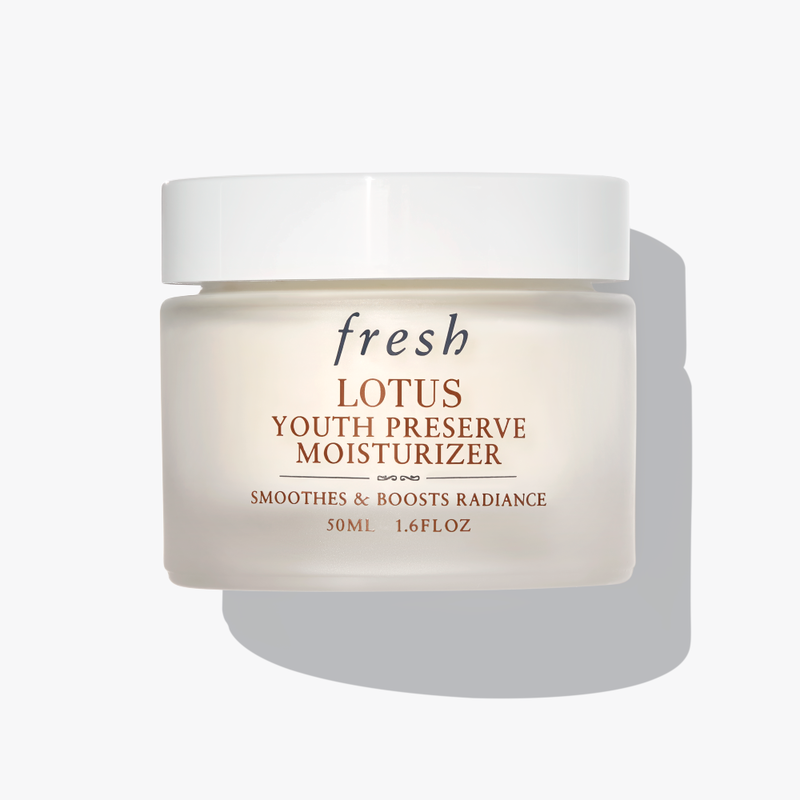
Understanding the Different Types of Moisturizers for Glowing Skin
When it comes to achieving glowing skin, understanding the different types of moisturizers available can make all the difference. There are primarily three categories: creams, lotions, and gels. Creams are thicker and are ideal for dry skin types as they provide intense hydration, sealing in moisture effectively. On the other hand, lotions are lighter and suitable for normal to combination skin, offering a balance between hydration and absorption. Lastly, gels are water-based and perfect for oily or acne-prone skin, as they hydrate without clogging pores.
Additionally, some moisturizers come with added benefits, such as SPF protection and specific ingredients tailored for skin concerns. For example, products containing hyaluronic acid can provide deep hydration and plumpness to the skin, while niacinamide can help improve skin tone and texture. Always consider your unique skin type and any specific skin issues you may have when choosing the right moisturizer. To learn more about selecting the best products for your skincare routine, check out this informative guide on moisturizers.
Top 5 Ingredients to Look for in Moisturizers for a Dewy Complexion
Achieving a naturally dewy complexion starts with selecting the right moisturizer. Here are the top 5 ingredients you should consider:
- Hyaluronic Acid: Known for its exceptional ability to retain moisture, hyaluronic acid can hold up to 1000 times its weight in water. It plumps the skin and provides lasting hydration. For more information, check out Healthline.
- Glycerin: This powerful humectant draws moisture from the air into your skin, enhancing its hydration levels. It helps create a smooth, dewy finish, making it a must-have for glowing skin. You can learn more about glycerin at NCBI.
3. Squalane: This lightweight oil mimics the natural oils in our skin, providing hydration without clogging pores. It helps balance oil production and gives your complexion a beautiful, dewy glow. For detailed insights, visit Verywell Health.
4. Vitamin E: An antioxidant that nourishes and protects the skin barrier, vitamin E enhances the overall hydration of your skin while providing anti-aging benefits. Explore more about its benefits at Harvard Health.
5. Shea Butter: Rich in essential fatty acids, shea butter not only moisturizes but also promotes a radiant, dewy finish. Its emollient properties make it ideal for those with dry or dehydrated skin. For additional information, see NCBI.
How Often Should You Apply Moisturizer for Optimal Hydration?
Understanding the right frequency for applying moisturizer is crucial for maintaining optimal hydration of your skin. Generally, it's recommended to apply moisturizer at least twice a day—once in the morning and once at night. During the day, a lightweight, non-comedogenic moisturizer can help protect your skin from environmental factors, while a thicker, more hydrating formula is ideal for nighttime use. Additionally, consider applying moisturizer immediately after bathing or washing your face to lock in moisture while your skin is still damp. For more tips on skin care routines, you can check out this source.
If you're in a dry environment or experiencing specific skin issues, you might need to adjust your moisturizer application frequency. For example, those with sensitive or very dry skin may benefit from applying moisturizer every few hours to maintain hydration. It's also important to listen to your skin—if you notice tightness or flakiness, it may be a sign that you need to apply moisturizer more often. Keep in mind that using a sunscreen with moisturizing properties can also help retain skin moisture during the day. Learn more about the importance of hydration in your skincare routine by visiting this article.